
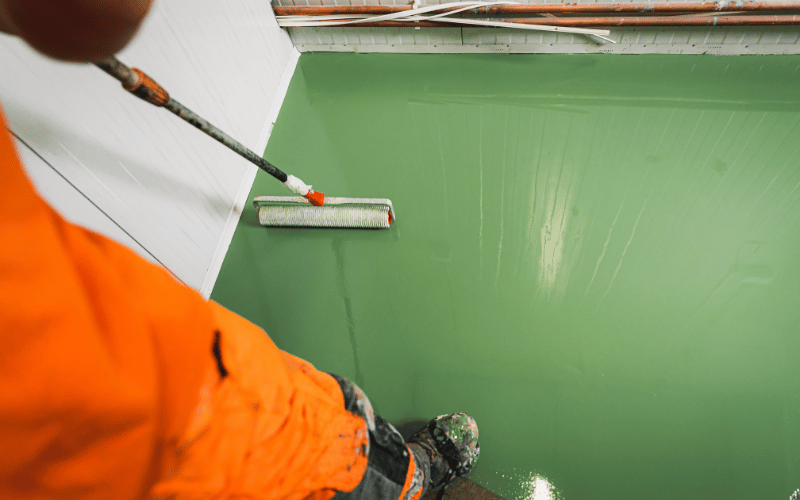
If you’re a homeowner in Merkel, Texas, looking to upgrade your garage or outdoor patio with a durable coating, you might be weighing the options between polyaspartic and traditional epoxy flooring. Both have their strengths, but understanding the differences can help you make the best choice for your home. This guide breaks down the key factors to consider, especially for local conditions in the Abilene area, where weather and wear can impact your flooring decision.
What is Traditional Epoxy Flooring?
Traditional epoxy flooring is a popular choice for many homeowners and businesses due to its durability and glossy finish. Made from a combination of resin and hardener, epoxy creates a tough, protective layer over concrete surfaces. It’s often used for garage flooring in Merkel homes because it resists stains, chemicals, and heavy foot traffic. However, traditional epoxy can take several days to cure, and it may yellow over time when exposed to sunlight, which is a consideration for outdoor spaces in Texas.
What is Polyaspartic Coating?
Polyaspartic coating is a newer technology that offers a faster application process and enhanced durability. As a type of polyurea, it cures in just a few hours, meaning you can walk on your floor the same day it’s applied. This makes it an excellent choice for busy Merkel homeowners who can’t afford downtime. Additionally, polyaspartic coatings are UV-resistant, so they won’t fade or yellow under the harsh Texas sun, making them ideal for an outdoor patio or driveway.
Comparing Durability and Maintenance
When it comes to durability, both options are strong, but polyaspartic tends to edge out traditional epoxy in extreme conditions. It’s more resistant to scratches, impacts, and temperature fluctuations—common challenges in the Abilene, Texas, climate. Maintenance for both is relatively simple, requiring just regular sweeping and occasional mopping. However, epoxy might need a topcoat every few years to maintain its shine, while polyaspartic holds up longer without additional layers.
Application Time and Cost Considerations
For those hiring an epoxy floor contractor in Merkel, application time is a big factor. Traditional epoxy can take up to a week for full curing, disrupting your routine. Polyaspartic, on the other hand, is ready for use in as little as 24 hours. Cost-wise, polyaspartic is often more expensive upfront due to its advanced properties, but the long-term value might outweigh the initial investment for home epoxy flooring projects.
Which is Right for Your Merkel Home?
Choosing between these two depends on your specific needs. If you’re coating an outdoor patio exposed to sunlight and heat, polyaspartic is likely the better option. For indoor garage flooring where budget is a concern, traditional epoxy can still deliver excellent results. Consider your timeline, exposure to elements, and long-term goals for the space. Consulting with a local epoxy flooring Abilene, Texas, specialist can also provide tailored advice based on your property’s unique layout and usage.
Ultimately, both materials can enhance the look and functionality of your home. By understanding their differences, you can invest in a solution that matches your lifestyle and withstands the test of time in Merkel’s diverse environment.